
Did you know that talking about sustainability with children from an early age and explaining recycling not only helps shape future citizens but can also bring benefits like improved academic performance, increased self-confidence, and better collaboration skills?
And it doesn’t have to be a boring task. On the contrary, it can be an adventure full of discoveries — not just for children, but also for parents and educators. A way to do this is by sharing some fun recycling facts for kids, like the ones we present below.
Read more
5 free online courses on sustainability�
What is recycling, in simple terms for kids?
Speaking in a language that kids understand is essential to spark their interest in the topic. A fun way to do this is by including simple recycling facts they can relate to. For example, explain that recycling means a broken toy doesn’t have to live in the trash forever—it can be transformed into other objects and have a new life. Recycling is like taking apart a LEGO set and using the pieces to build something new.
This way, we not only reduce the amount of trash polluting the Earth, but we also give objects a second chance to be part of our lives. Plus, we save the natural resources that would be used to make new things, helping preserve the planet.
What are the 5 Rs of Recycling?
Have you ever heard about the 5 Rs of recycling? They are like a superhero team that helps take care of our planet. Let’s meet each one and see how we can use them every day.
1. Refuse
Refuse means saying “no� to things we don’t really need. For example, if someone offers you a plastic straw, you can politely say, “No, thank you!�
Try this at home or school:
- Say no to plastic bags and bring your own reusable bag, or preffer paper ones.
- Refuse toys or items that you will not use or that will break easily and become waste.
2. Reduce
Reduce means using less so we create less trash. The less we use, the less we throw away!
Try this at home or school:
- Turn off the tap while brushing your teeth to save water.
- Use both sides of a piece of paper when drawing or writing.
3. Reuse
Reuse means using something again instead of throwing it away.Many things can have a “second life�!
Try this at home or school:
- Turn a paper box into a house - and check out 6 toy ideas made with recyclable materials
- Use old clothes for dress-up costumes or cleaning cloths.
4. Repair
Repair means fixing things instead of throwing them away.Sometimes, a small fix can make something feel like new!
Try this at home or school:
- Glue a broken toy instead of replacing it.
- With help of an adult, sew a button back on a shirt.
5. Recycle
Recycle means turning old items into new ones. This helps save natural resources and reduce pollution.
Try this at home or school:
- Separate paper, plastic, glass, and metal into recycling bins.
- Learn your local recycling rules with your teacher or parents.
Why the 5 Rs Matter
When we follow the 5 Rs, we become planet heroes! We create less waste, save energy, and help keep nature clean and healthy. Parents and teachers can turn this into a fun challenge:ask kids to pick one “R� each day and share how they practiced it.
What are recyclable materials?
Recyclable materials are things we can use again by turning them into something new—like an old soda can that becomes a new one. But not all types of waste are recyclable and understanding their differences is essential for proper disposal. In general, waste can be grouped into four main categories:
Organics: these include food scraps and beverage leftovers. Although they are biodegradable, excess organic waste can generate methane and leachate, both of which are harmful to the environment. To minimize impact, try to buy only what you need, prepare appropriate portion sizes, and freeze any leftovers. Composting is another excellent solution—it’s a natural recycling process that turns organic waste into nutrient-rich fertilizer.
Residual waste: this refers to waste that cannot be recycled or reused after use, such as disposable diapers and toilet paper.
Hazardous waste: this category includes materials that may be toxic or dangerous, such as medications, electronics, and batteries, and therefore require special disposal methods.
Recyclable materials: these are items that can be processed and transformed into new products, such as paper, plastic, glass, and metal.
What can and cannot be recycled?
Many people think only of common items like plastic bottles and aluminum cans, but there are actually many other things that can be recycled too.
â€�We can recycle: cardboard boxes, paper packaging, magazines, plastic bags, copper wires, aluminum trays (like takeout containers), and even some types of cookware can often be recycled. Learning about these different materials helps kids understand that recycling is part of everyday life and can happen in more places than they think! Â
�We can't recycle: organics (an apple, for instance), residual waste (toilet paper) and hazardous waste (medications) are not recyclable.
It’s important to remember that recycling rules can be a little different depending on where you live. That’s why, if you’re ever unsure if something can be recycled, it’s a good idea to check with local recycling centers or visit official websites from your city or state. This way, you can make sure you’re recycling the right way and doing your part to help the planet!
Why recycling is important for the planet
Recycling is important because it helps take care of our planet in simple but powerful ways. When we recycle, we use fewer natural resources like trees, water, and minerals, which means we protect nature and animals. It also saves a lot of energy — for example, , according to the United States Environmental Protection Agency (EPA). Recycling also keeps trash out of landfills, reducing pollution and harmful gases that can damage the Earth.  In short, recycling is a small action kids can take that makes a big difference in keeping the planet clean, safe, and healthy for everyone.
Why should children learn about recycling?
Teaching children about sustainability and recycling is important because this is the age when we are most receptive to learning new things—and when we are shaped as citizens.
“Childhood is the phase when we develop habits,� says Mariana Almeida from Instituto Recicleiros. “If you learn from a young age, it becomes natural.� Adults, on the other hand, often find it much harder to change old habits, like throwing away trash without sorting it.
Talking about this topic helps develop a generation that understands its role in caring for the planet. But there are many other benefits that environmental awareness can bring to children.
A conducted by researchers at Stanford University analyzed over 100 studies on environmental education for children from kindergarten to age 12. It found that this practice benefits other areas of children's lives, such as overall academic performance. By using nature as a practical laboratory, students enhance their skills in science, math, and even language arts, applying theoretical concepts to real-world problems.
Researchers also found that environmental education helps develop life skills. Students involved in environmental projects show greater ability to work in teams, solve complex problems, and take on leadership roles. This strengthens self-confidence and the belief that they can make positive changes. And, of course, teaching sustainability also helps form more engaged citizens.
Children can be powerful influencers at home. When they learn something new and important at school, they often encourage their parents to change habits. “Children end up being a focal point to get everyone recycling,� says Mariana.
Read more
What is biodiversity and why is it important?�
What are some facts about recycling for kids?
Exploring recycling for kids is a great way to spark curiosity and build positive habits early on, especially when learning is fun and engaging. By sharing interesting and easy-to-understand recycling facts for kids, we can help children see how simple actions—like reusing materials or sorting waste—make a real difference for the planet. To inspire that sense of discovery, here’s a collection of 10 fun and surprising facts that will capture kids’ attention and encourage them to become more eco-friendly in their everyday lives.
1. A recycled soda or juice can could become a new one in just a few days
A soda can, once recycled, can return to supermarket shelves as a new can in just 60 days, according to the . Aluminum recycling not only saves natural resources but also helps generate income for people in Brazil.
2. Glass is a recycling champion
Glass is an amazing material because it can be recycled almost infinitely. “It’s like it has eternal life,� says Flavia Natera from Instituto Recicleiros.
3. Plastic takes a long time to decompose
Some types of plastic can take up to 500 years to decompose in nature, . That means a plastic bottle could outlive several generations!
4. Many everyday items can be recycled
Connecting children’s everyday objects to recycling helps them understand what can be reused. Juice boxes, cookie packages, and beach buckets are great examples.
5. Trash needs to take a bath - just like us
For materials to be properly recycled, they need to be clean. A quick rinse of yogurt containers and milk cartons helps remove food residue and ensures the material can be reused.
6. Not everything that looks recyclable actually is
Some items are tricky. Kitchen sponges, photographs, and mirrors aren’t recyclable in the usual way. But pill blister packs can be! They need to be disposed of in special bins, usually found in pharmacies. Learning to sort properly is important.
7. Recycling helps protect animals
By recycling waste, we prevent items from being improperly discarded and ending up in rivers and oceans, protecting animals like turtles, fish, and birds that could get sick from eating or getting tangled in trash.
8. Recycling is a very, very old idea
The first time someone thought of reusing materials was over a thousand years ago. show that in Japan, around the year 1031, paper was already being recycled to make new products.
9. You can recycle by making toys
Materials like cardboard boxes and toilet paper rolls can be used to create all kinds of new toys, like puppets, dollhouses, and even homemade pinball machines. Check out some ideas here.
10. Computers and cell phones can be recycled too
Electronic devices are recyclable but shouldn’t be thrown in regular trash. To give them a new life, you need to find specific collection points or companies and NGOs with recycling programs. Some even offer free home pickup.
Read more
6 ideas for recyclable toys
Tips for recycling paper
Keep paper clean and dry before recycling. If paper is dirty with food (like greasy pizza boxes), it usually can’t be recycled. Try to use both sides of a sheet before throwing it away, and flatten cardboard boxes to save space in your bin.
Tips for recycling metal
Metal items like aluminium cans and tins are great for recycling—but make sure to rinse them first to remove food or drink leftovers. You can also crush cans carefully to save space. Keep only common items (like drink cans and food tins) in the recycling bin, as some metals need special disposal.
Tips for recycling glass
Glass bottles and jars can be recycled again and again, but they should be empty and rinsed before going in the bin. Remove lids if required by your local rules. Remember: not all glass is the same—items like mirrors or lightbulbs often can’t go in regular recycling.
Tips for recycling plastic
Plastics can be tricky! Always check the recycling symbol or label to see if your local council accepts that type. Rinse bottles and containers and never put recycling inside plastic bags, as they can damage sorting machines. Choosing simple plastics (like clear bottles) makes recycling easier.
Recycling signs
Recycling signs are like little clues on packaging that tell you what to do with your waste. Learning how to read them helps kids recycle the right way and protect the planet.
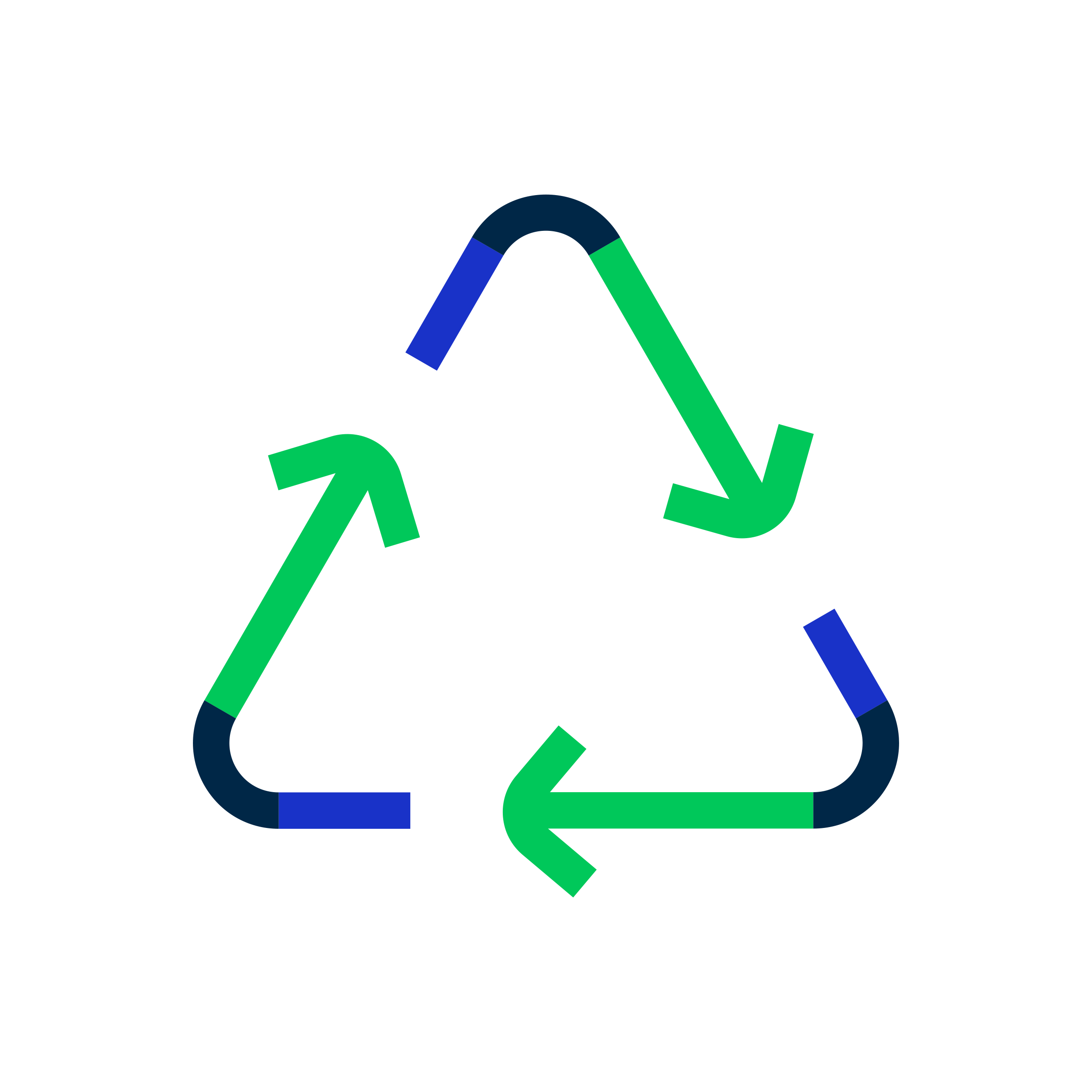
The Mobius Loop (Recycling triangle)
This is the most famous recycling symbol: a triangle made of three arrows chasing each other. It usually means the item can be recycled, but not always everywhere—so it’s important to check local rules.
Plastic number codes (1–7)
Inside the triangle, you might see a number from 1 to 7. This shows the type of plastic used. In the UK, plastics labeled 1 (PET) and 2 (HDPE) are the most commonly recycled, while others may not be accepted in all areas.
“Widely Recycled�, “Check Locally�, “Not Yet Recycled�
Some packages include clear labels to make recycling easier:
- Widely Recycled: Most councils accept it
- Check Locally: Only some areas recycle it
- Not Yet Recycled: Put it in general waste
These labels help families avoid mistakes and recycle correctly.
The Green Dot
This symbol can be confusing! It does not mean the item is recyclable. Instead, it shows that the company helps fund recycling systems in Europe.

The Tidyman symbol
The “little person putting trash in a bin� is a reminder to throw rubbish away responsibly. It doesn’t mean the item can be recycled.

�
If you’re not sure what a symbol means, ask an adult or check your local council’s recycling guide. Even small actions—like putting the right item in the right bin—can make a big difference!
Conclusion: Recycling helps take care of the future
Talking about recycling with children opens the door to a more sustainable future—and there’s no shortage of ideas to make the topic fun and engaging for them.
The biggest challenge, as Flavia and Mariana point out, often isn’t the children, but the adults around them who struggle to adopt sustainable habits.
By presenting the topic in a playful way, with hands-on activities and, most importantly, by setting an example at home and school, we show that caring for the planet is a mission for everyone, regardless of age. Every washed bottle, every sorted paper, and every curious question is a seed of a more conscious and responsible world that we are planting today.
�
.svg)