Commitments to Renewing Life
Guided by our Commitments to Renewing Life, our long-term goals, we leverage our role in the value chain and society. They lead us to make significant changes in the way we produce, consume and relate to the world today, contributing to a regenerative economy.
Creating this strategy collaboratively, considering the views of hundreds of people, from different stakeholder groups, we set goals aligned with the United Nations (UN) Sustainable Development Goals (SDGs).

Our commitments
We have long-term goals aligned with the United Nations Sustainable Development Goals (SDG) and among our climate goals are commitments aligned with the Science Based Targets (SBTi).
social
Reduce poverty
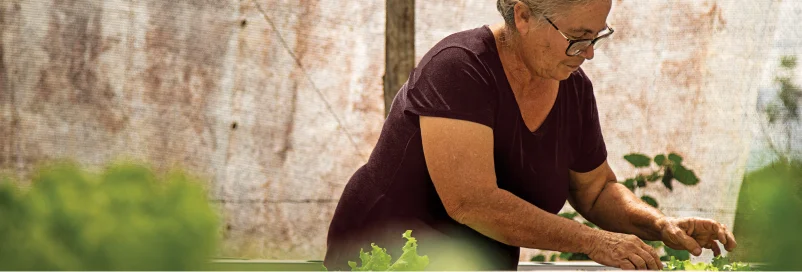
A more equitable world is necessary for the life of the planet and people. We operate in different regions of Brazil that face challenges such as extreme poverty and low-quality education. That is why, together with organizations and families in these locations, we implement initiative to generate income and strengthen local businesses that have always been part of the local culture.
�
Our goal is to help lift 200,000 people out of poverty in the areas where we operate by 2030. For more information, visit the Sustainability Indicators page.
Nature
Conserve biodiversity
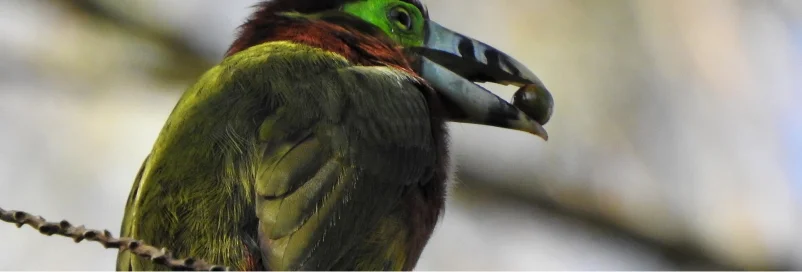
The fragmentation of natural and forest areas is one of the main threats to biodiversity. Considering that Brazil is the most biodiverse country in the world, we want to help change this reality.
�
We have made a challenging commitment to, by 2030, connect, through ecological corridors, 500,000 hectares of fragments of Amazon, Atlantic Forest and Cerrado, an area four times the size of the city of Rio de Janeiro. The corridors will significantly contribute to the preservation of biodiversity, as they will connect isolated forest areas, enabling the transit of animals, the increase in vegetation cover and, consequently, the regeneration of biodiversity. For more information, visit the Sustainability Indicators page.
Protecting our water
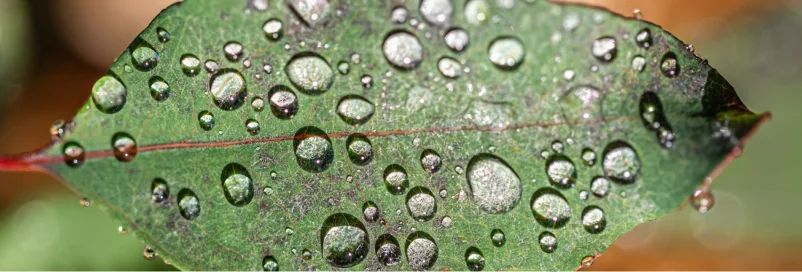
Our eucalyptus farms cover more than 2 million hectares in Brazil, and we know that the natural characteristics of some areas make them subject to water shortages. Therefore, by 2030, we are committed to increasing water availability in all critical watersheds in the areas where we operate, through forest management and planning initiatives.
�
We also use water to manufacture our products. Within our industry, we already implement global best practices in water use and treatment, but we are committed to going further and reducing our water withdrawal by 15% by 2030. For more information, visit the Sustainability Indicators page.
Reduce waste
The waste we generate and consume shouldn't mark the end of that material, but rather the commencement of a new cycle. When we dispose of waste, it remains on our planet and requires natural processing. Everything left over from our activities is already handled responsibly.
�
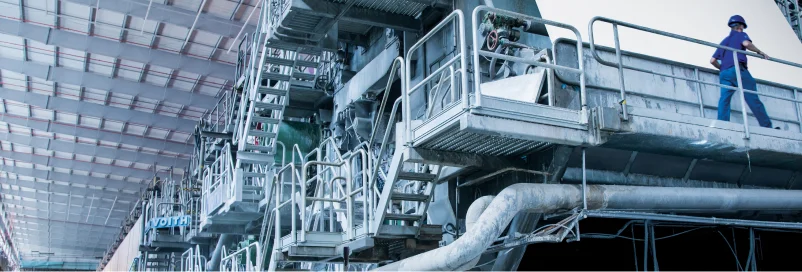
But that is not enough— by 2030, our goal is to be able to reduce the volume of industrial solid waste we send to landfills by 70%, giving an opportunity for this waste to be used in other production chains, such as by recycling and agricultural products businesses. For more information, visit the Sustainability Indicators page.
Reduce waste
The waste we generate and consume shouldn't mark the end of that material, but rather the commencement of a new cycle. When we dispose of waste, it remains on our planet and requires natural processing. Everything left over from our activities is already handled responsibly.
�
But that is not enough— by 2030, our goal is to be able to reduce the volume of industrial solid waste we send to landfills by 70%, giving an opportunity for this waste to be used in other production chains, such as by recycling and agricultural products businesses. For more information, visit the Sustainability Indicators page.
Generate clean energy
Energy generation from fossil fuels is one of the biggest sources of greenhouse gas emissions. Increasing the use of renewable alternatives is an urgent challenge. By using biomass waste from our production processes, some of our plants are already energy self-sufficient, generating enough electricity to power their entire operation and also export the surplus to the national grid.
�
Our objective is to increase clean energy exports by 50% by 2030, through an increase in generation and the implementation of energy efficiency projects. For more information, visit the Sustainability Indicators page.

Conserve biodiversity
The fragmentation of natural and forest areas is one of the main threats to biodiversity. Considering that Brazil is the most biodiverse country in the world, we want to help change this reality.
�
We have made a challenging commitment to, by 2030, connect, through ecological corridors, 500,000 hectares of fragments of Amazon, Atlantic Forest and Cerrado, an area four times the size of the city of Rio de Janeiro. The corridors will significantly contribute to the preservation of biodiversity, as they will connect isolated forest areas, enabling the transit of animals, the increase in vegetation cover and, consequently, the regeneration of biodiversity. For more information, visit the Sustainability Indicators page.
Climate
Tackle the climate crisis
Everyone has a responsibility to help fight the climate crisis. That's why we have climate-related commitments. We are committed to reducing our Scope 1 and 2* emissions by 50.4% by 2032. To reach this goal, we are investing in fuel and energy efficiency projects, prioritising the use of renewable energy and modernising our equipment and vehicles. This target has been approved by the .
�
We are also committed to ensuring that, by 2028, 80% of our suppliers (based on spending) and customers (based on revenue from sold products) have science-based targets. This goal, also aligned with the SBTi, reflects our commitment to encouraging other parts of the value chain to make their own climate-related commitments. For more information, visit the Sustainability Indicators page.
�
* Scope 1: Greenhouse gases directly generated by a company's operations.
Scope 2: Indirect emissions from the consumption of electricity or thermal energy that are not produced by the company itself, but are used by it.
Offer renewable products
Renewable products are items made from resources that are not finite (such as eucalyptus pulp) and that can be replenished over a short period.
�
Every packaging, hygiene product, item of clothing or fuel we consume makes a difference. And offering renewable alternatives to many everyday products is part of our purpose. Therefore, we are committed to offering, by 2030, 10 million tonnes of products made from renewable raw material that can replace plastic and petroleum-based products. For more information, visit the Sustainability Indicators page.

Protecting our water
Our eucalyptus farms cover more than 2 million hectares in Brazil, and we know that the natural characteristics of some areas make them subject to water shortages. Therefore, by 2030, we are committed to increasing water availability in all critical watersheds in the areas where we operate, through forest management and planning initiatives.
�
We also use water to manufacture our products. Within our industry, we already implement global best practices in water use and treatment, but we are committed to going further and reducing our water withdrawal by 15% by 2030. For more information, visit the Sustainability Indicators page.
Reduce waste
The waste we generate and consume shouldn't mark the end of that material, but rather the commencement of a new cycle. When we dispose of waste, it remains on our planet and requires natural processing. Everything left over from our activities is already handled responsibly.
�
But that is not enough— by 2030, our goal is to be able to reduce the volume of industrial solid waste we send to landfills by 70%, giving an opportunity for this waste to be used in other production chains, such as by recycling and agricultural products businesses. For more information, visit the Sustainability Indicators page.
Generate clean energy
Energy generation from fossil fuels is one of the biggest sources of greenhouse gas emissions. Increasing the use of renewable alternatives is an urgent challenge. By using biomass waste from our production processes, some of our plants are already energy self-sufficient, generating enough electricity to power their entire operation and also export the surplus to the national grid.
�
Our objective is to increase clean energy exports by 50% by 2030, through an increase in generation and the implementation of energy efficiency projects. For more information, visit the Sustainability Indicators page.
Conserve biodiversity
The fragmentation of natural and forest areas is one of the main threats to biodiversity. Considering that Brazil is the most biodiverse country in the world, we want to help change this reality.
�
We have made a challenging commitment to, by 2030, connect, through ecological corridors, 500,000 hectares of fragments of Amazon, Atlantic Forest and Cerrado, an area four times the size of the city of Rio de Janeiro. The corridors will significantly contribute to the preservation of biodiversity, as they will connect isolated forest areas, enabling the transit of animals, the increase in vegetation cover and, consequently, the regeneration of biodiversity. For more information, visit the Sustainability Indicators page.
Can we help?
Find the answer you need in our Frequently Asked Questions. If you prefer, contact us through ºÚ°µ±¬ÁÏÍø.