ڰ

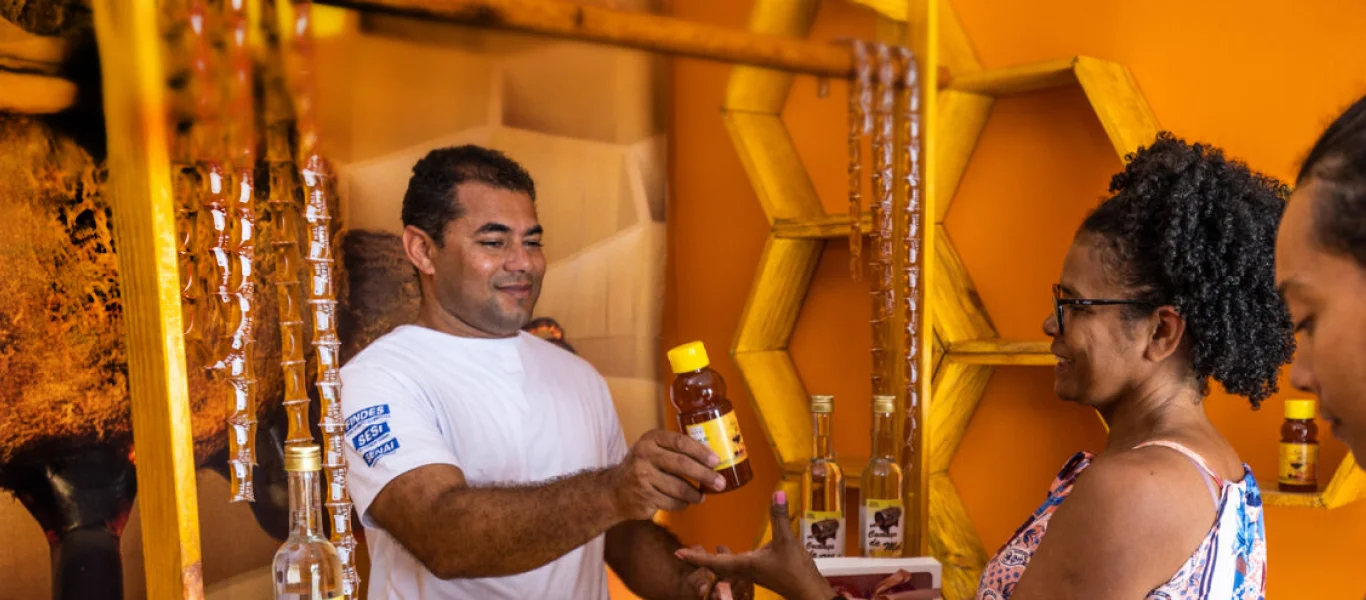
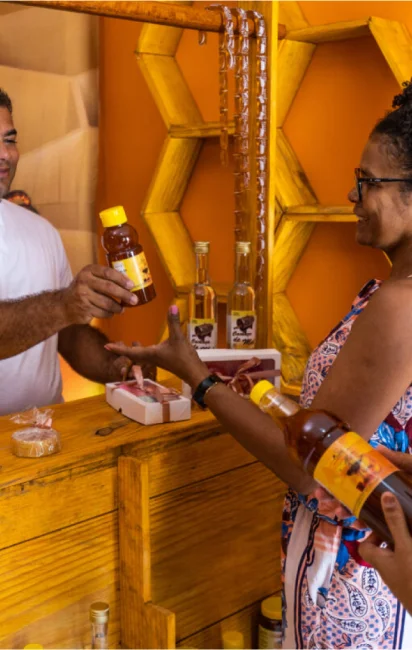
Homem entregando uma garrafa a uma mulher em um ambiente decorado com elementos que remetem a colmeias e produtos em frascos.Vendedor entregando frasco de mel para cliente mulher em loja com decoração de favo de mel ao fundo.

ڰ in Espírito Santo

Our site in Espírito Santo, formerly Aracruz Celulose and later Fibria, was founded in 1978 and currently has a team of more than 4,800 people, including our own employees and contractors, who work side by side to renew life inspired by trees.

Our operation in Espírito Santo includes

2 plants in Aracruz

with a production capacity of 2.3 million tonnes of pulp per year

1 conversion plant in Cachoeiro do Itapemirim

that specializes in consumer goods and manufactures the Mimmo and Max Pure brands, with a production capacity of 30,000 tonnes per year

153,000 hectares of eucalyptus farms

106,000 hectares of conservation areas

20,000 hectares of farms

dedicated to Forestry Support, a program that encourages partnerships between companies in the forestry sector and small and medium-sized rural producers

2 distribution centers

A technology center

Environmental Care in the Region

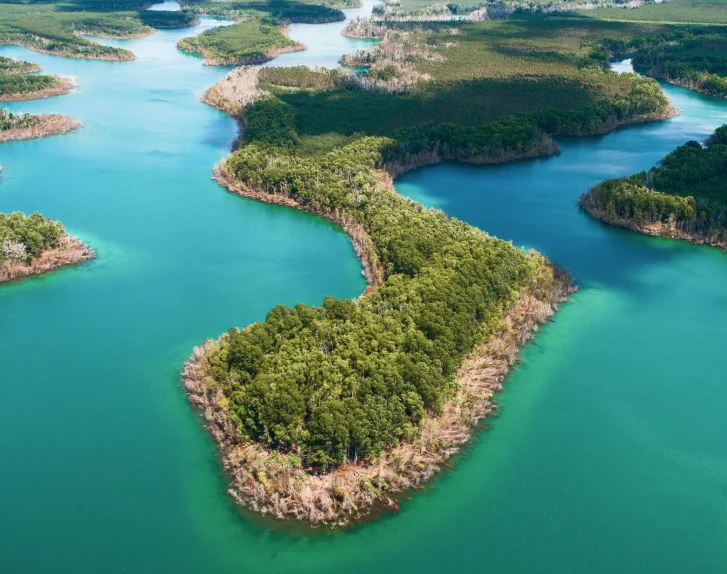
Vista aérea de ilhas verdes cercadas por água azul-turquesa em um ambiente natural.

In Espírito Santo, we conserve approximately 107,000 hectares of native vegetation areas, including three Private National Heritage Reserves (RPPN, in Portuguese) totaling around 2,400 hectares.

Learn more about the reserves.
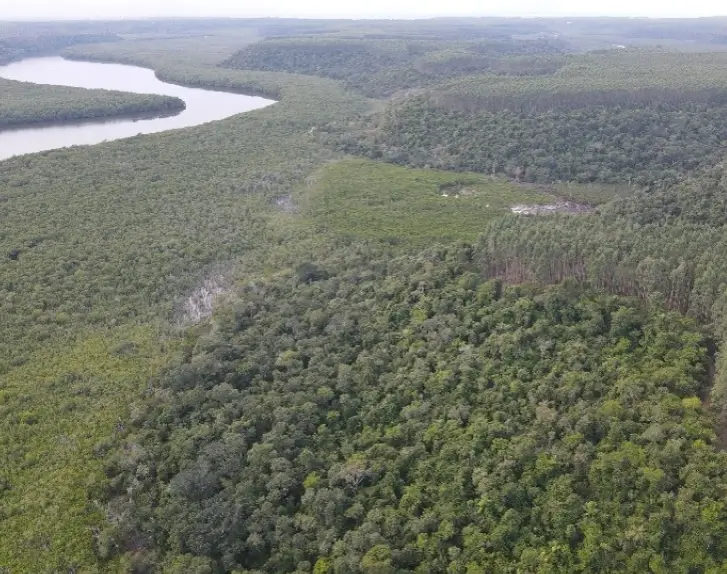
Vista aérea de uma grande área de floresta densa com um rio sinuoso ao fundo.

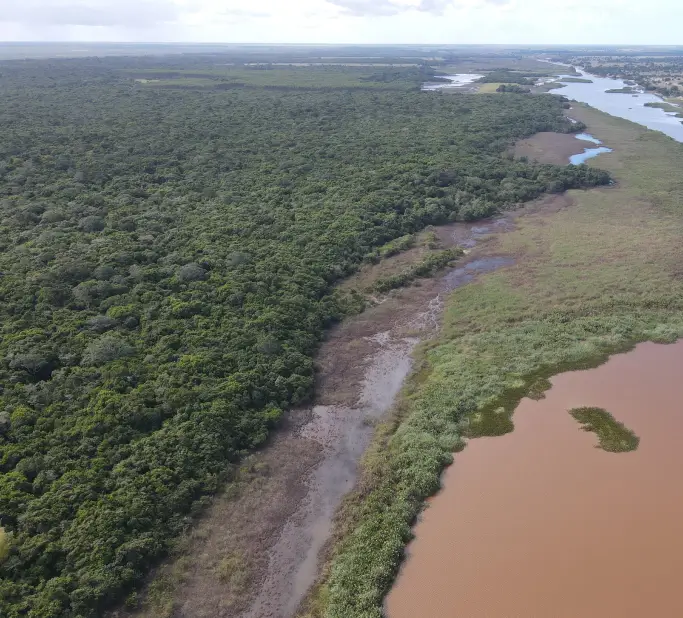
Restinga Aracruz

Vista aérea de floresta densa ao lado de um rio de água barrenta com vegetação na margem sob céu parcialmente nublado.

Approximately 300 hectares of a well-preserved fragment of arboreal restinga, a rare type of vegetation that occurs in coastal regions.

Vista aérea de floresta densa ao lado de um rio de água barrenta com vegetação na margem sob céu parcialmente nublado.

Mutum Preto and Recanto das Antas

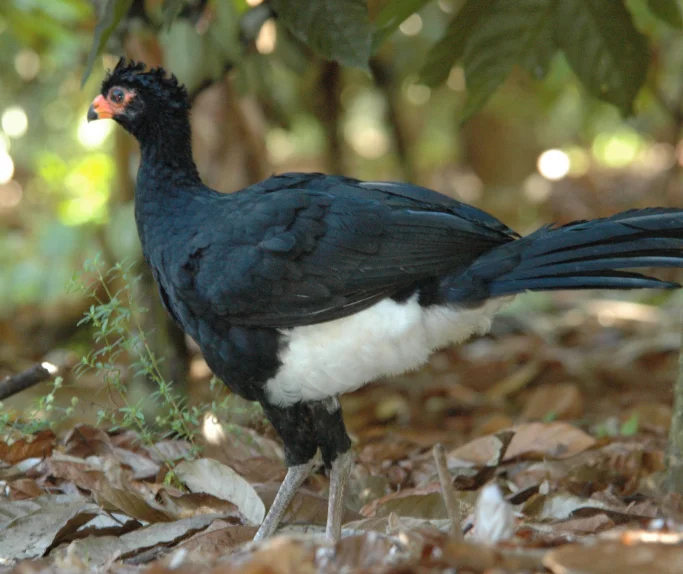
Mutum-preto, uma ave de corpo preto com barriga branca, caminhando sobre folhas secas no chão de floresta.

The areas total more than 2,100 hectares in the town of Linhares. These RPPNs are formed by preserved fragments of the Atlantic Forest and are home to animals such as the tapir, one of the largest mammals in the Americas, and the black curassow, a bird at risk of extinction. Learn more about the reserves on the Mutum Preto and Recanto das Antas RPPN website.

Mutum-preto, uma ave de corpo preto com barriga branca, caminhando sobre folhas secas no chão de floresta.

Our
Social Performance

We invest in and drive social development in Espírito Santo. Check out some numbers from 2024

63,215

people benefited from our social programs and initiatives

8,506

people lifted out of poverty

12.1

Millions of reais of investment in
social projects

22

schools benefiting from the ڰ Education Program

27.076

people benefited by
of the ڰ Education Program

Anillo circular con líneas radiales verdes y azules que forman un patrón ondulado sobre fondo negro.

Social Projects Supported in Espírito Santo

We have social development projects across the country.

Learn about some local initiatives.

Vista aérea de uma árvore verde com sombra projetada sobre fundo preto.

São Domingos Cooperative

São Mateus — ES

The São Domingos Cooperative was founded by a group of people from the quilombola community of São Domingos, one of the most traditional in Espírito Santo. In 2013, community leaders approached ڰ to propose a partnership that could generate employment and income for the quilombola community. This marked the beginning of a project that continues to this day and has two main fronts: professional training in forest cultivation techniques and the Cooperative's provision of services to ڰ, in commercial planting operations and forest restoration.

Roda D'Água Cooperative

Conceição da Barra — ES

We hire services from participants in the Roda D'Água Cooperative (COOTRAQ), made up of rural workers from the quilombola communities of Roda d'Água and Morro da Onça, in the north of Espírito Santo. Those who are part of the cooperative work in the areas of eucalyptus plantation maintenance and forest restoration.

Juventudes Multiplicadoras (“Young Multipliers”)

São Mateus — ES

The Youth Multipliers program aims to strengthen ڰ's relationship with neighboring communities by training young leaders in more than 30 quilombola communities in Espírito Santo. In addition to the academic curriculum, focusing on technical training in the environment, those who participate in the program can also meet ڰ professionals, in addition to developing projects that can benefit the community and the company, in an exchange relationship.

Coopyguá – Tupiniquim and Guarani Indigenous Farmers Cooperative

Aracruz — ES

The indigenous cooperative has craft groups, projects to collect seeds from native species, and meliponiculture, which involves the production of honey, pollen, and wax made from species of stingless bees. The area of influence of the Coopyguá Cooperative includes three indigenous territories in the state of Espírito Santo: the Tupiniquin Indigenous Territory, the Caieras Velhas II Indigenous Territory and the Comboios Indigenous Territory, which occupy a total area of more than 18,000 hectares. The initiative has the support of ڰ to organize and enable the formal commercialization of the products and strengthen the income generation of the people involved.

Can we help?

Find the answer you need in our Frequently Asked Questions. If you prefer, contact us through ڰ.